
VapCigs 1.9 Million Settlement Over Exploding E Cig Battery Burn Injuries
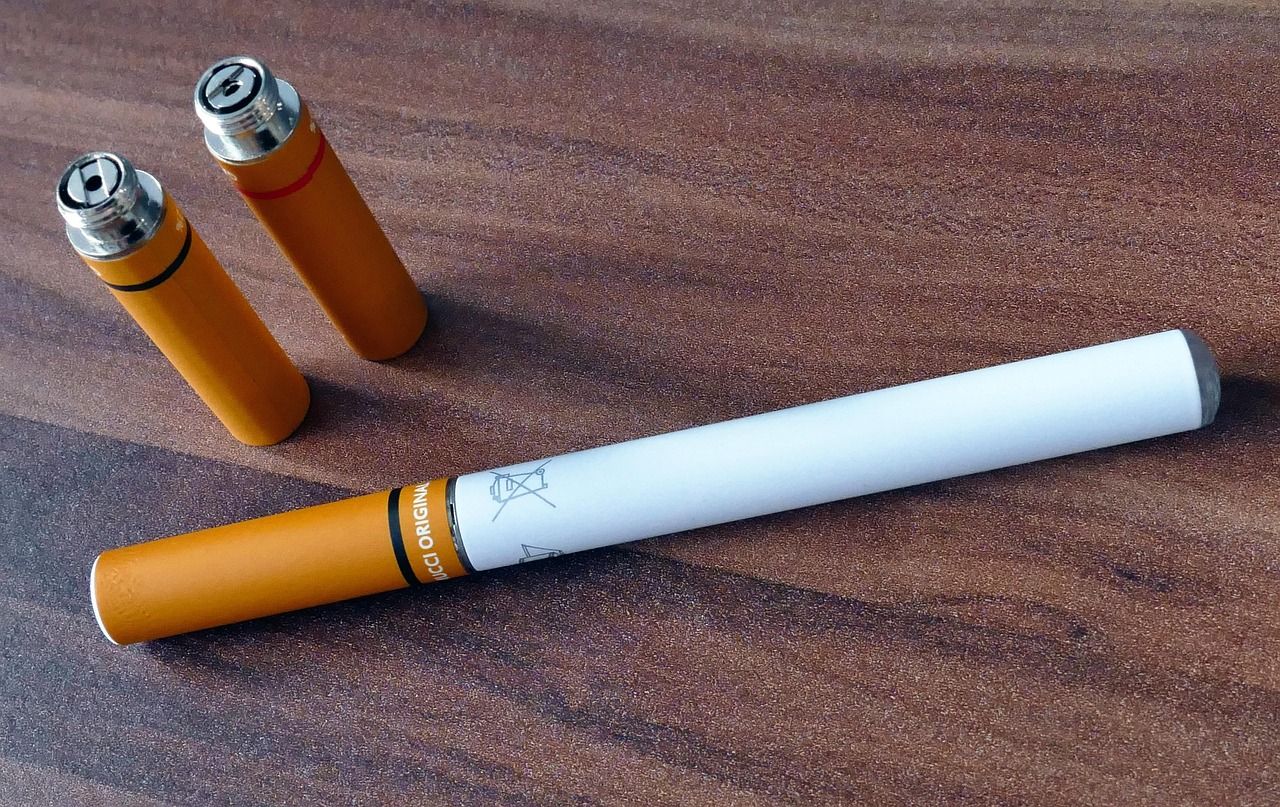
The VapCigs 1.9 Million Settlement Over Exploding E Cig Battery Burn Injuries settlement, with individual payouts of $2M to eligible claimants who you experienced an e-cigarette battery or charger exploding/combusting unexpectedly. The filing deadline has not yet been announced. Proof of purchase is required.
Deadline: No deadline specified
Total amount allocated for all claims
Estimated amount per eligible claim
Provide documentation showing (1) the specific e-cigarette/battery/charger involved (receipts, order confirmations, serial/model numbers, photos of the device), (2) evidence of the explosion/fire and resulting damage (photos, incident reports, witness statements), and (3) records of losses (medical records and bills for burns/injuries, wage loss documentation, repair/replacement estimates for damaged property). If available, preserve the damaged device/components for inspection.
Settlement Summary
E-cigarettes don’t just raise health concerns about nicotine and chemical exposure—they also rely on lithium‑ion batteries, the same high‑energy cells used in phones and laptops, which can overheat and “thermal runaway” if a battery, charger, or design is defective. When that happens, the device can vent flames or explode with little warning, and the injuries are often severe burns. The VapCigs case highlighted this risk after Jennifer Ries alleged her charging e‑cigarette erupted in her car, igniting her clothing and seat and leaving her with second‑degree burns on her legs, buttocks, and hand. The lawsuit was filed against VapCigs and other companies involved in selling and distributing the product, arguing the device failed basic consumer safety expectations and that users were not adequately warned about known dangers. A Riverside County jury’s $1.9 million award in 2015 mattered because it signaled that juries may treat battery incidents as foreseeable product‑safety failures—especially where warnings, instructions, and quality control are alleged to be lacking—creating pressure for safer designs, better labeling, and stronger oversight across the supply chain. Similar cases and enforcement actions reinforce the broader pattern: a 2018 jury awarded $2 million over an exploding e‑cig battery bought online, while regulators have fined vaping companies for deceptive “healthier than cigarettes” advertising claims, underscoring that the industry faces scrutiny not only for injury risks but also for how products are marketed under consumer‑protection laws. In the bigger regulatory context, lithium‑ion hazards are a long-running consumer-product issue, and U.S. safety frameworks such as the Consumer Product Safety Commission’s reporting and recall system can come into play when companies learn of serious defects, as seen in past battery-fire controversies in other industries. The comparison to large settlements and penalties involving fire-prone appliances and overheating laptop batteries shows how product-liability law often converges on the same themes—design defects, inadequate warnings, and delayed reporting—regardless of whether the product is a vape device, refrigerator, or computer, and it helps explain why vaping battery cases have continued to draw lawsuits and significant verdicts when injuries are catastrophic.
Entities Involved
Related Topics
Eligibility Requirements
- You experienced an e-cigarette battery or charger exploding/combusting unexpectedly
- The incident caused physical injury (e.g., burns, dental injuries) and/or property damage (e.g., vehicle, clothing, personal items)
- The e-cigarette, battery, charger, or related component was purchased/used during the general timeframe discussed (approximately 2014–2018)
- You can identify the product and/or seller (e.g., retailer, online marketplace, brand) involved
- Your claim is brought within the applicable statute of limitations for your state/jurisdiction
Featured Investigations

Important Notice About Filing Claims
Submitting false information in a settlement claim is considered perjury and will result in your claim being rejected. Fraudulent claims harm legitimate class members and may result in legal consequences.
If you are unsure about your eligibility for this settlement, please visit the official settlement administrator’s website using the link provided above. Review the eligibility criteria carefully before submitting a claim.
Class Action Champion is an independent information resource and is not affiliated with any settlement administrator, law firm, or court. We provide settlement information as a service to help connect eligible class members with legitimate settlements.