
Tyson and Cargill 87.5M Settlement Over Alleged Consumer Beef Price Fixing
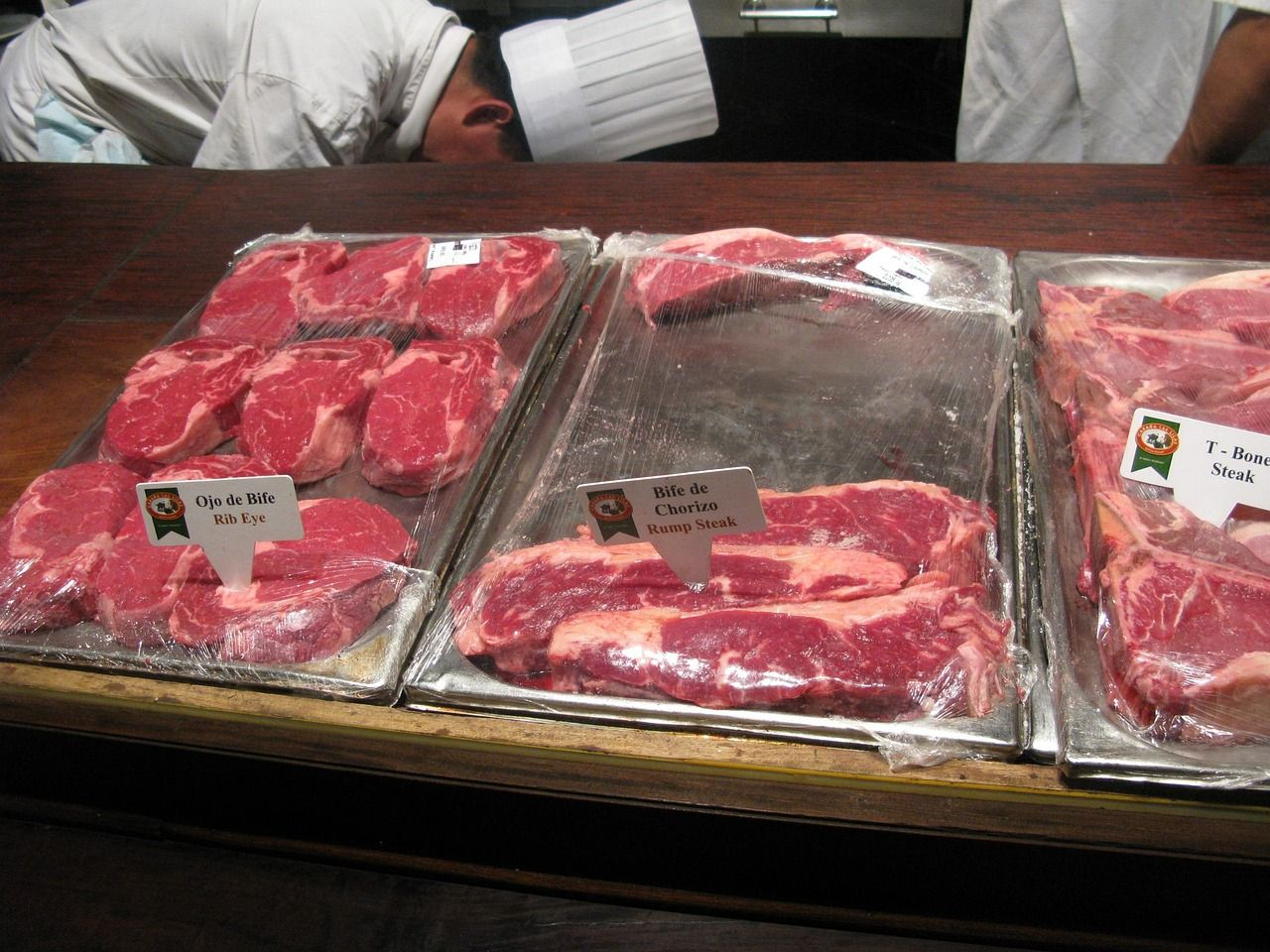
The Tyson and Cargill 87.5M Settlement Over Alleged Consumer Beef Price Fixing settlement offers $87.50M in total to eligible claimants who purchased eligible beef products for personal consumption (not for resale). The deadline to file is June 30, 2026. Proof of purchase is not required.
Deadline: June 30, 2026
Total amount allocated for all claims
Estimated amount per eligible claim
No proof of purchase needed — anyone eligible can file a claim
Most claimants do not need receipts. Claims are generally based on your good-faith estimate of eligible beef purchases during the class period; keep any supporting records in case the administrator requests follow-up. If filing for someone else, documentation showing your authority may be required.
Settlement Summary
The settlement stems from long-running concerns that the U.S. beef industry is highly concentrated, with a small group of large meatpackers processing a major share of cattle and selling beef into the national supply chain. In *In re: Cattle and Beef Antitrust Litigation* (D. Minn.), consumer plaintiffs allege that processors including Tyson Foods, Cargill, JBS, and National Beef coordinated to reduce competition—such as by not aggressively competing for market share—so retail beef prices stayed artificially high. The proposed $87.5 million settlement with Tyson and Cargill is open to claims for people who indirectly bought certain fresh or frozen beef cuts at grocery stores from Aug. 1, 2014 to Dec. 31, 2019 in specified “repealer” states and jurisdictions, with most claimants not required to submit receipts and payments determined on a pro rata basis. The lawsuit was filed under antitrust theories that prohibit competitors from conspiring to fix prices or restrain trade, with plaintiffs arguing consumers ultimately paid the overcharge at the checkout counter. Tyson and Cargill deny wrongdoing, and the court has not ruled that they violated the law; the settlements are a compromise to avoid the cost and risk of continued litigation and still require final court approval after a fairness hearing. Its significance is twofold: it puts cash back into consumers’ hands (even if individual payments may be modest) and it applies pressure on alleged coordination in a sector where pricing and supply decisions ripple quickly from feedlots and processors to supermarkets and restaurants. More broadly, the case fits a larger pattern of antitrust scrutiny in meat and poultry markets, where plaintiffs and regulators have repeatedly raised concerns about collusion, information sharing, and supply coordination in concentrated industries. The “repealer jurisdiction” limitation reflects how some states allow indirect purchasers (retail consumers) to recover damages under state antitrust laws even when federal rules can restrict such claims, which is why eligibility depends on where purchases were made. Similar theories have appeared in other food and commodity cases—where a handful of dominant suppliers can influence prices—highlighting how antitrust enforcement, private class actions, and industry consolidation intersect in everyday grocery bills.
Entities Involved
Related Topics
Eligibility Requirements
- Purchased eligible beef products for personal consumption (not for resale)
- Purchases were made between August 1, 2014 and December 31, 2019
- Purchased indirectly (e.g., from a grocery store/supermarket rather than directly from the producer)
- Purchases occurred in one of the listed Repealer Jurisdictions: Arizona, California, District of Columbia, Florida, Illinois, Iowa, Kansas, Massachusetts, Maine, Michigan, Minnesota, Missouri, Montana, Nebraska, Nevada, New Hampshire, New Mexico, New York, North Carolina, North Dakota, Oregon, Rhode Island, South Dakota, Tennessee, Utah, West Virginia, Wisconsin
- Eligible products are beef (fresh or frozen) from chuck, loin, rib, or round primal cuts
- Excluded products: premium (USDA Prime, organic, 100% grass-fed, Wagyu, American-Style Kobe), specialty (NAE/antibiotic-free, kosher, halal, certified humane), and processed beef (ground, marinated, seasoned, flavored, breaded, or cooked)
- Submit a timely claim form by June 30, 2026 (online or by mail postmarked by the deadline)
Featured Investigations

Stay Updated
Subscribe to our newsletter for the latest settlement updates and news.
Important Notice About Filing Claims
Submitting false information in a settlement claim is considered perjury and will result in your claim being rejected. Fraudulent claims harm legitimate class members and may result in legal consequences.
If you are unsure about your eligibility for this settlement, please visit the official settlement administrator’s website using the link provided above. Review the eligibility criteria carefully before submitting a claim.
Class Action Champion is an independent information resource and is not affiliated with any settlement administrator, law firm, or court. We provide settlement information as a service to help connect eligible class members with legitimate settlements.
Related Settlements
Absolute Dental Group $3.3 Million Settlement for 2025 Data Breach Losses
Absolute Dental Group LLC agreed to pay a $3.3 million class action settlement over a potential 2025 data breach affecting consumers’ personal information. The incident occurred between Feb. 19, 2025 and March 5, 2025, when unauthorized access may have exposed data. Eligible U.S. residents who received notice from Absolute Dental about the incident may claim up to $5,000 for documented losses and may also receive a pro rata cash payment, with certain California residents eligible for an enhanced amount.
Travelers PIP Settlement for New Jersey Claims Up to 70 or More for Deductible Reductions
A class action settlement totaling at least the net settlement fund (with attorneys’ fees up to $275,000 and service awards of $7,500) resolves allegations that Travelers and St. Paul improperly reduced New Jersey PIP coverage limits by counting deductibles and copayments, causing some insureds to receive less than the PIP benefits available. Eligible policyholders (and certain heirs/representatives) who received final PIP payments between April 14, 2017 and April 1, 2023 that were within $3,000 of their policy limit—but not the full limit—may receive an automatic $70 and possibly additional compensation.
MUBI $1.6 Million Settlement for California Auto-Renewal Without Notice
California subscribers of the MUBI streaming service may be eligible for a $1.6 million class action settlement over alleged auto-renewal charges without adequate notice or proper consent. The claims cover sign-ups beginning April 1, 2021 and auto-renewals occurring through May 31, 2025, as described in Cesar Cejudo v. MUBI, Inc. To be eligible, claimants must have been California residents whose subscription renewed at least once and who did not receive a full refund of renewal charges.
MetLife $1.2 Million Settlement for Underinsured Motorist Coverage Offsets in New Mexico
Metropolitan Direct Property and Casualty Insurance Co. (MetLife) agreed to pay $1.2 million to settle claims that it misrepresented or failed to disclose underinsured motorist (UM/UIM) coverage limits and used improper offsets. The issue relates to New Mexico auto insurance activity between Oct. 1, 2010, and Jan. 31, 2022. Eligible class members include qualifying policyholders who had UM/UIM claim offsets by at-fault payments or who purchased UM/UIM coverage in that period.