
Google Assistant Privacy Lawsuit Against Google No Settlement Yet Over Unauthorized Recordings
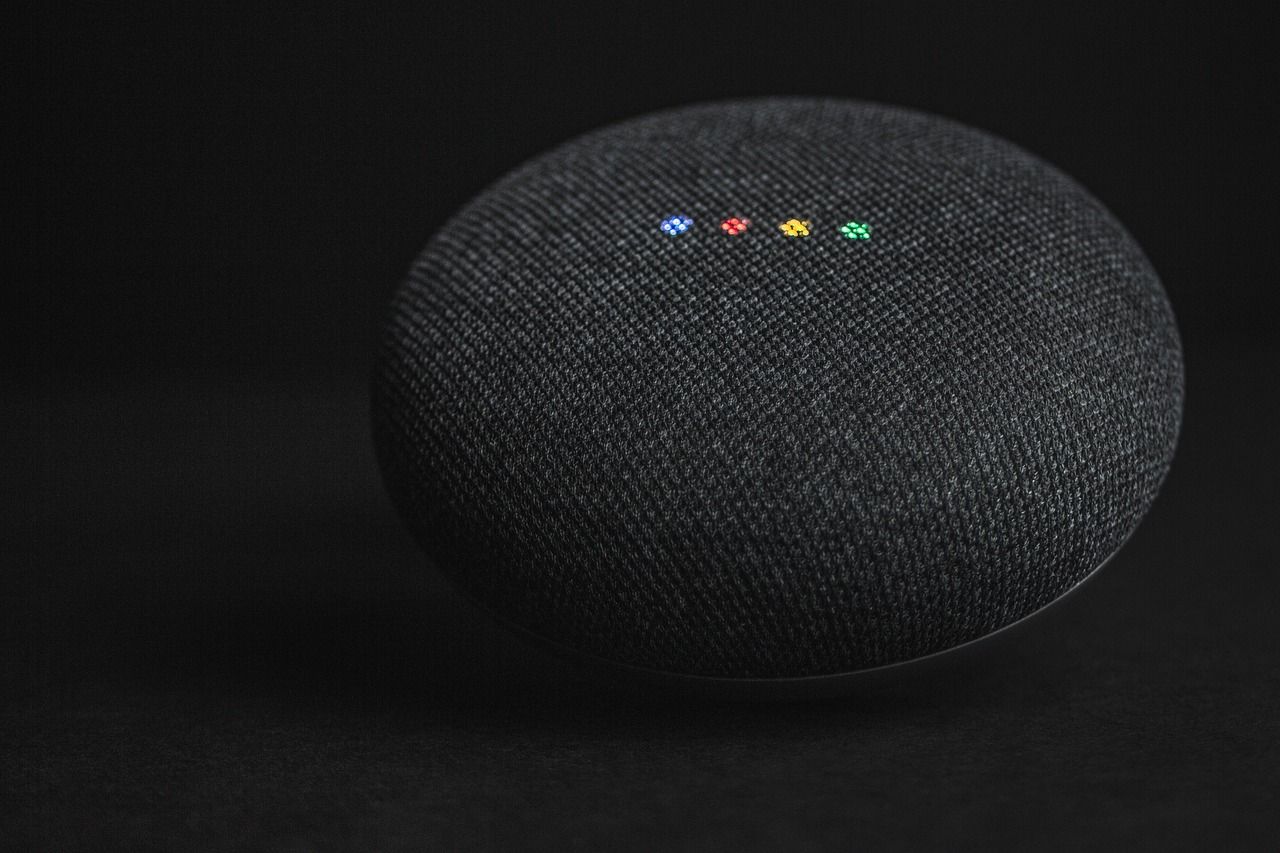
The Google Assistant Privacy Lawsuit Against Google No Settlement Yet Over Unauthorized Recordings settlement to eligible claimants who be a u.s. resident (united states users). The filing deadline has not yet been announced. Proof of purchase is not required.
Deadline: No deadline specified
Total amount allocated for all claims
Estimated amount per eligible claim
No proof of purchase needed — anyone eligible can file a claim
Proof requirements have not been announced because no settlement or claims process is in place yet. If a settlement is reached, claim instructions may request documentation such as device purchase/ownership records, device serial information, or evidence the device was linked to a Gmail account during the May 18, 2016–Dec 16, 2022 period.
Settlement Summary
The Google Assistant Privacy Litigation is a proposed class action accusing Google LLC and Alphabet Inc. of allowing Google Assistant (“Hey Google”/“OK Google”) to activate unintentionally on certain Google-made devices—such as Pixel phones, Nest/Google Home speakers and displays, Pixelbooks, Chromecasts, and Pixel Buds—and then record snippets of audio. These alleged accidental activations, described as “False Accepts,” matter because voice assistants are designed to listen for a wake word and only capture audio after a deliberate trigger, so unexpected recordings raise obvious concerns about what was captured (private conversations, background speech) and how long it was kept. Plaintiffs say the lawsuit was filed because those recordings were allegedly collected, used, and sometimes disclosed for purposes like improving speech recognition without proper consent, contradicting Google’s privacy assurances and violating laws such as California’s Unfair Competition Law. Google denies wrongdoing, and there is no settlement yet, no claim deadline, and no payout information because the court has not resolved the case or approved any claims process. The significance is less about a single device mistake and more about whether a “hands-free” feature can be marketed as privacy-respecting if it predictably misfires, and what companies must do—technically and legally—to prevent, disclose, and remediate inadvertent recordings. The case fits into a broader wave of lawsuits and regulatory scrutiny targeting “always-on” microphones, data minimization, and consent in consumer tech, similar to disputes involving other voice assistant ecosystems and inadvertent recording allegations. Industry context includes overlapping rules and standards: U.S. state consumer protection laws (like California’s UCL), state wiretapping/recording-consent statutes that can be implicated when audio is captured without authorization, and privacy frameworks such as the California Consumer Privacy Act (CCPA/CPRA) that emphasize transparency, purpose limits, and user control over personal data. If plaintiffs succeed or a settlement is reached, it could push voice-assistant makers toward clearer disclosures, stronger on-device processing, tighter retention limits, and more prominent controls to reduce false activations and the downstream use of any unintended audio data
Entities Involved
Related Topics
Eligibility Requirements
- Be a U.S. resident (United States users)
- Purchased a Google-manufactured device with Google Assistant pre-installed
- Device is associated/linked with a Gmail account
- Used the Google Assistant-enabled device at some point between May 18, 2016 and December 16, 2022
- Potentially includes eligible device types such as Pixel phones, Google/Nest smart speakers, smart displays, Pixelbook/Pixel Slate devices, Chromecast with Google TV, and Pixel Buds
Featured Investigations

Important Notice About Filing Claims
Submitting false information in a settlement claim is considered perjury and will result in your claim being rejected. Fraudulent claims harm legitimate class members and may result in legal consequences.
If you are unsure about your eligibility for this settlement, please visit the official settlement administrator’s website using the link provided above. Review the eligibility criteria carefully before submitting a claim.
Class Action Champion is an independent information resource and is not affiliated with any settlement administrator, law firm, or court. We provide settlement information as a service to help connect eligible class members with legitimate settlements.