
Trinity Homebuilders and Homewood $3.5M Settlement Over Defective Ohio Homes
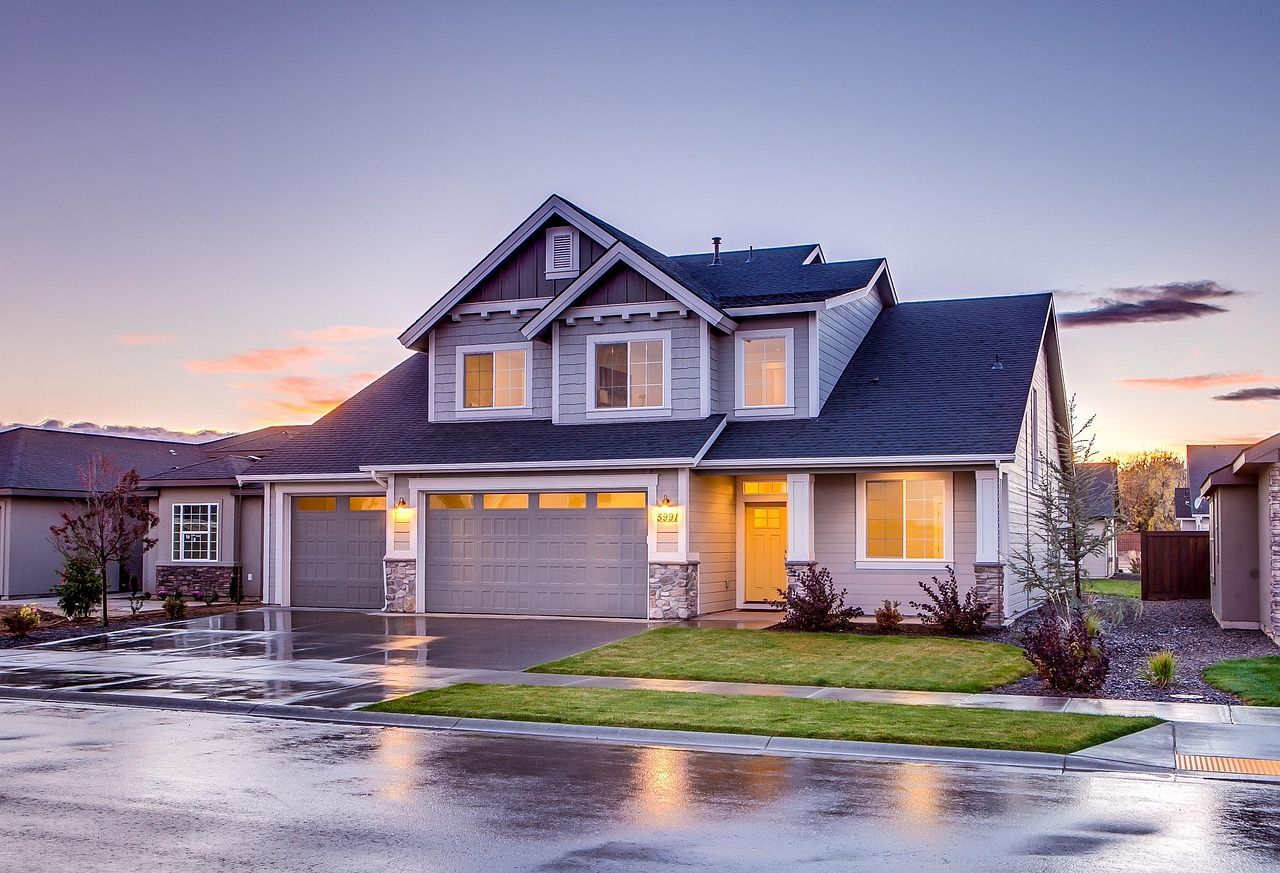
The Trinity Homebuilders and Homewood $3.5M Settlement Over Defective Ohio Homes settlement, with individual payouts of TBD to eligible claimants who owned a qualifying home located in ohio. The deadline to file is February 16, 2026. Proof of purchase is required.
Deadline: February 16, 2026
Total amount allocated for all claims
Estimated amount per eligible claim
Proof is required. Claimants should be prepared to provide documentation showing ownership of a covered Ohio home and that it was built by Trinity Homebuilders or Homewood Corporation (e.g., deed/closing documents, purchase paperwork, or other records tying the home to the builder) and any other materials requested on the claim form.
Settlement Summary
Homebuyers generally expect a newly built house to meet building codes and basic durability standards, but construction defects—often involving water intrusion, foundations, or building-envelope components—can take years to surface and become expensive to repair. This class action centers on certain Ohio homes built by Trinity Homebuilders or Homewood Corporation between January 1, 1999 and March 7, 2018, where owners allege defects that reduced the homes’ value and required costly fixes. The settlement, totaling $3.5 million with payments varying by claim, is available to eligible owners who can provide proof, with a filing deadline of 2/16/26. The lawsuit was filed to consolidate many similar homeowner complaints into a single proceeding, which can be more efficient than dozens (or hundreds) of individual cases and can pressure builders to address widespread issues rather than treating them as isolated disputes. Its significance lies in how it shifts some repair and remediation costs back toward the companies involved and creates a standardized claims process for affected owners, while also signaling to the market that alleged systemic construction problems can carry real financial consequences. Cases like this are common in residential construction, where class actions or grouped claims frequently arise after patterns appear across developments—especially when defects implicate shared designs, materials, subcontractor work, or quality-control practices. In the broader industry context, builders and developers operate under a mix of local building codes, permitting/inspection regimes, and state-law doctrines governing warranties, negligence, consumer protection, and statutes of limitation or repose that can limit how long claims may be brought after completion. Because many defect allegations involve compliance with code minimums versus promised workmanship, these disputes often turn on expert inspections and documentation, which is why settlements typically require proof of ownership and defect-related impacts. The result is both a compensation mechanism for homeowners and a cautionary example for builders about the long-tail risk of construction choices and oversight in large-scale residential projects.
Entities Involved
Related Topics
Eligibility Requirements
- Owned a qualifying home located in Ohio
- The home was built by Trinity Homebuilders and/or Homewood Corporation
- The home was built during the period January 1, 1999 to March 7, 2018
- Submit a claim by the deadline (February 16, 2026)
- Provide required proof/documentation
Featured Investigations

Stay Updated
Subscribe to our newsletter for the latest settlement updates and news.
Important Notice About Filing Claims
Submitting false information in a settlement claim is considered perjury and will result in your claim being rejected. Fraudulent claims harm legitimate class members and may result in legal consequences.
If you are unsure about your eligibility for this settlement, please visit the official settlement administrator’s website using the link provided above. Review the eligibility criteria carefully before submitting a claim.
Class Action Champion is an independent information resource and is not affiliated with any settlement administrator, law firm, or court. We provide settlement information as a service to help connect eligible class members with legitimate settlements.