
Toyota 78.5M Settlement Over Defective Airbag Control Unit and Safety Risks
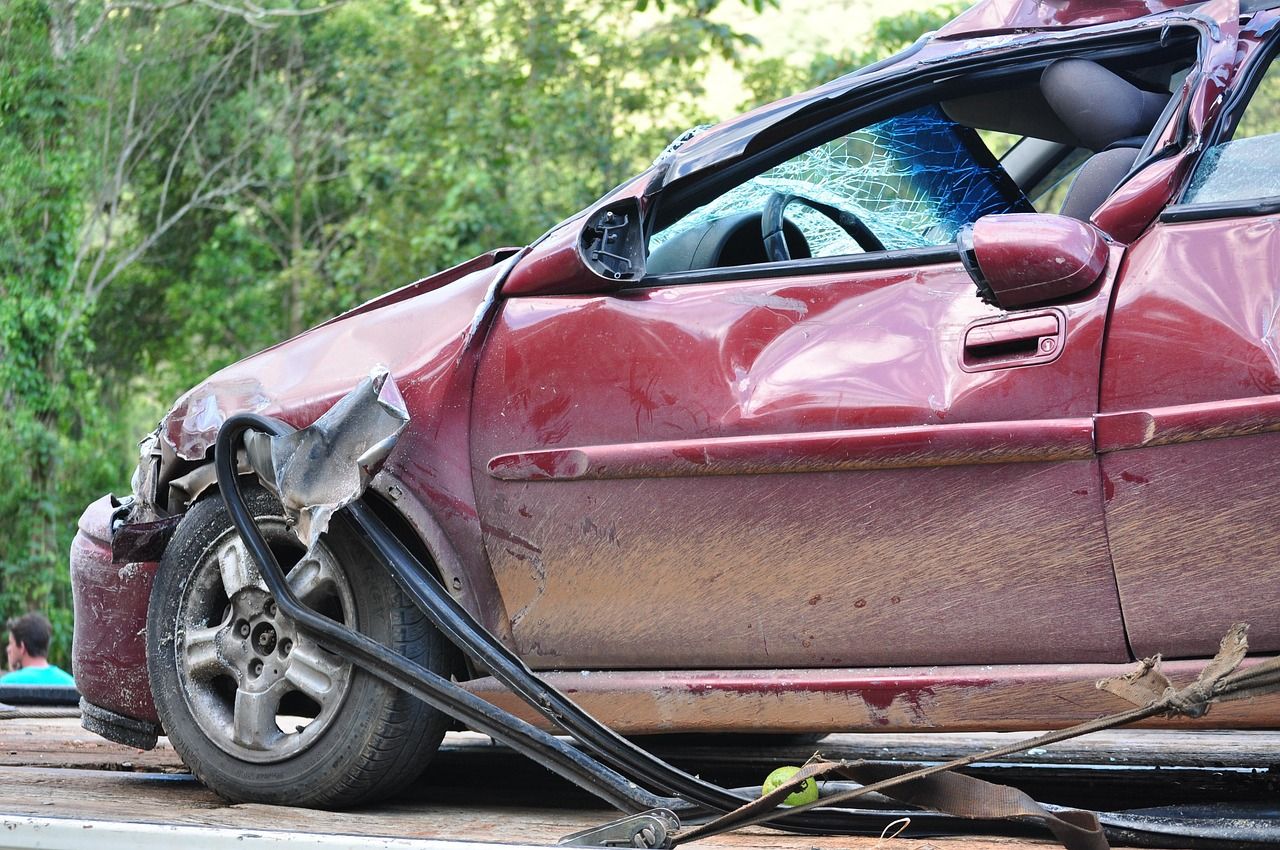
The Toyota 78.5M Settlement Over Defective Airbag Control Unit and Safety Risks settlement offers $78.50M in total, with individual payouts of Reimbursement of out-of-pocket expenses plus potential residual payments of up to $250 to eligible claimants who owned or leased a covered toyota “subject vehicle” included in the settlement/recall (confirm via the official vin lookup tool). The deadline to file is December 16, 2026. Proof of purchase is required.
Deadline: December 16, 2026
Total amount allocated for all claims
Estimated amount per eligible claim
Proof is required. Claimants should be prepared to provide their vehicle identification information (VIN) to confirm a covered vehicle and documentation supporting any reimbursement request, such as receipts/invoices for rentals, towing, transportation or childcare costs, repair bills showing unreimbursed ACU-related work, and records supporting lost wages/time off for dealer drop-off or pickup. Additional details may be requested through the official claim/registration forms.
Settlement Summary
Toyota agreed to a $78.5 million class action settlement after owners and lessees alleged certain Toyota vehicles were sold with a defective Airbag Control Unit (ACU)—the electronic module that decides, in milliseconds, whether airbags and related restraint systems (like seat-belt pretensioners) should fire during a crash. The lawsuit centers on claims that the ACU can be vulnerable to “electrical overstress,” which could impair how safety systems behave in a collision, including the risk of non-deployment or other malfunctions. Because these systems are designed to work automatically and are difficult for drivers to detect or test on their own, even a small failure rate becomes a serious public-safety concern when spread across large vehicle populations. The case was filed to hold Toyota accountable for allegedly marketing vehicles as safe and reliable while the ACU issue could expose consumers to increased injury risk and unexpected costs tied to recalls and repairs. Beyond cash relief, the settlement’s significance is in the practical remedies it funds: reimbursement for out-of-pocket recall-related expenses (such as towing, rentals, lost wages, and unreimbursed repairs), a potential residual payment (up to $250 if funds remain), an inspection program for certain crash scenarios where restraints did not deploy as expected, a 12-year extended warranty on new parts installed under the recall, and expanded outreach to boost recall completion—reflecting how courts often push automakers to pair compensation with safety-focused corrective programs. More broadly, this dispute fits a long pattern of automotive defect class actions involving critical safety components—especially airbags and their electronics—where plaintiffs argue that recalls alone may not fully address consumer harm, diminished confidence, or the inconvenience and expense of getting a fix. It also sits within the regulatory ecosystem overseen by the National Highway Traffic Safety Administration (NHTSA), which governs defect reporting and recall obligations and can scrutinize whether manufacturers moved quickly enough once a safety risk was known; similar cases frequently hinge on the gap between regulatory compliance and what consumers believe they were promised about safety, durability, and performance.
Entities Involved
Related Topics
Eligibility Requirements
- Owned or leased a covered Toyota “Subject Vehicle” included in the settlement/recall (confirm via the official VIN lookup tool)
- Vehicle was sold or leased in the United States, including Washington, D.C., Puerto Rico, or other U.S. territories
- Submit a valid claim/registration form by the claim deadline (no earlier than December 16, 2026) to receive money from the settlement fund
- To seek reimbursement, incurred eligible out-of-pocket expenses connected to the ACU recall process (e.g., transportation, rental car, towing, childcare, unreimbursed repair costs, lost wages)
- For certain benefits (e.g., inspection program/extended new parts warranty), the vehicle must be part of the recall and/or have the recall completed as applicable
- For rental car reimbursement in lieu of a loaner, visited a Toyota dealer for the recall and did not receive a temporary loaner vehicle (and timely submitted the required form)
Featured Investigations

Important Notice About Filing Claims
Submitting false information in a settlement claim is considered perjury and will result in your claim being rejected. Fraudulent claims harm legitimate class members and may result in legal consequences.
If you are unsure about your eligibility for this settlement, please visit the official settlement administrator’s website using the link provided above. Review the eligibility criteria carefully before submitting a claim.
Class Action Champion is an independent information resource and is not affiliated with any settlement administrator, law firm, or court. We provide settlement information as a service to help connect eligible class members with legitimate settlements.