
Kasamba $1.4M Settlement Over Reader Misclassification and Unpaid California Wages
Deadline
Deadline: December 22, 2025
Total Settlement Amount
Total amount allocated for all claims
Individual Payout Range
Estimated amount per eligible claim
Proof of Purchase
No claim form or documents are required to get paid; checks are sent automatically using Kasamba’s records and the address on file. If your mailing address is outdated, you should provide updated contact/address information to the settlement administrator; no specific additional proof is described.
Settlement Summary
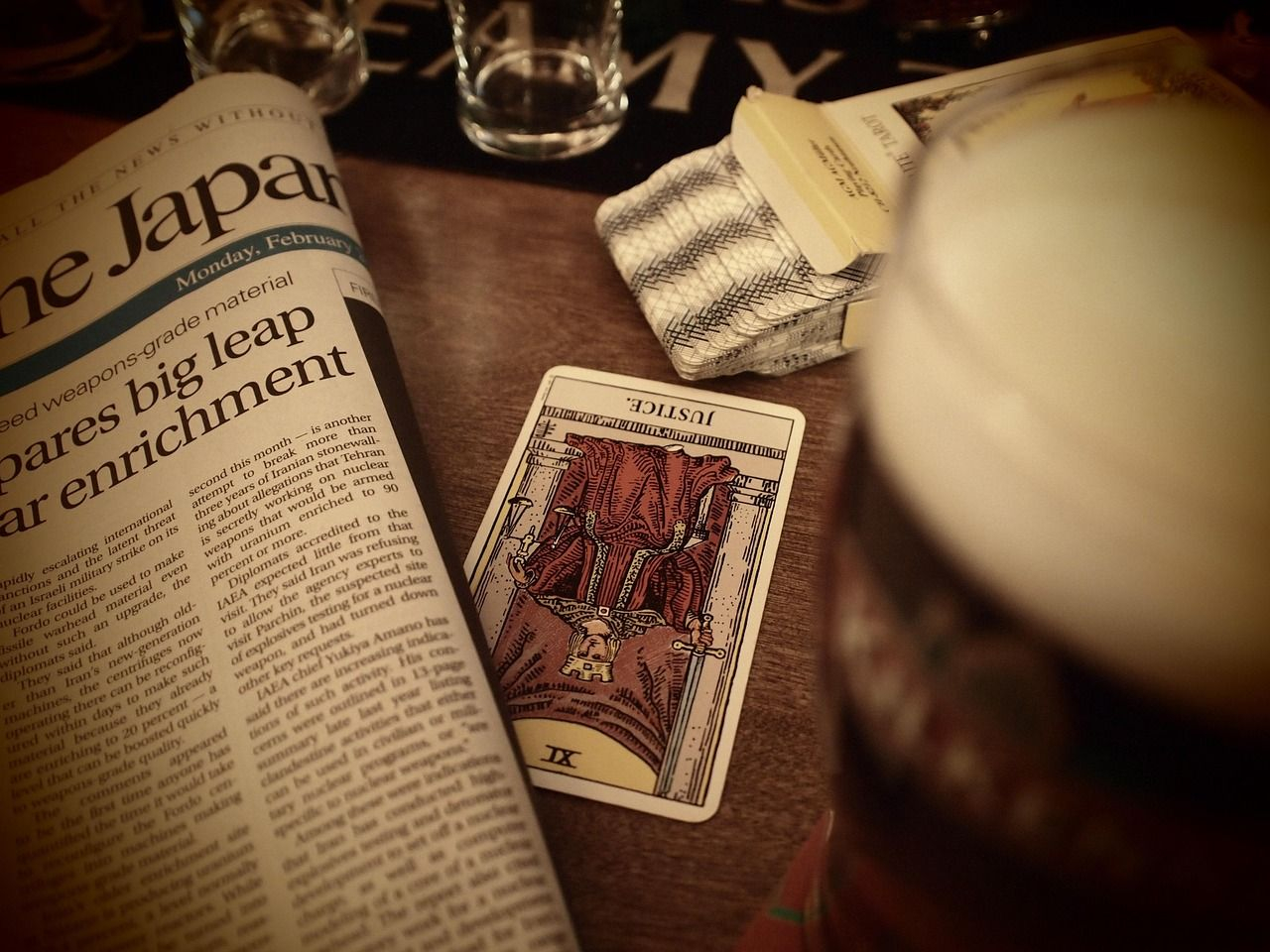
Kasamba, an online platform connecting customers with “readers” (often providing psychic or spiritual consultations), agreed to a $1.4 million class action settlement for people who worked as readers in California between Sept. 9, 2020, and Aug. 13, 2025. The case centers on a common gig-economy dispute: whether workers treated as independent contractors were actually employees under California’s worker-protection framework. If readers were employees, Kasamba would generally have to follow California wage-and-hour rules—such as paying minimum wage for all hours worked, covering certain business expenses, providing meal and rest breaks where applicable, and issuing compliant wage statements. The lawsuit was filed because the plaintiff alleged Kasamba misclassified California readers as contractors and, as a result, failed to pay all wages owed under the California Labor Code; it also asserted claims under the Private Attorneys General Act (PAGA), a law that allows workers to pursue civil penalties on the state’s behalf for labor-code violations. Kasamba denied wrongdoing but chose to settle to avoid the expense and uncertainty of litigation, creating a fund that (after fees and costs) will be distributed pro rata based on work history and earnings, with checks sent automatically to identified class members and leftover uncashed funds slated for a worker-advocacy nonprofit pending court approval. More broadly, the settlement fits into ongoing legal pressure on app-based and platform companies operating in California, where regulations like the “ABC test” from AB 5 (and later modifications such as Proposition 22 for certain app-based drivers) have raised the stakes for getting worker classification right. Similar misclassification and unpaid-wage cases have targeted other on-demand marketplaces and digital labor platforms, and they tend to ripple beyond a single company by pushing industries toward clearer contracts, better time-and-pay tracking, and more conservative classification decisions—especially in California, where wage enforcement tools and representative actions can make potential liability significant.
Entities Involved
Eligibility Requirements
- Worked as a “reader” for Kasamba
- Performed that reader work in California
- Worked at some point during the class period: Sept. 9, 2020 through Aug. 13, 2025
- Identified as a class member based on Kasamba’s records (typically evidenced by receiving a settlement notice)
Featured Investigations

Stay Updated
Subscribe to our newsletter for the latest settlement updates and news.
Important Notice About Filing Claims
Submitting false information in a settlement claim is considered perjury and will result in your claim being rejected. Fraudulent claims harm legitimate class members and may result in legal consequences.
If you are unsure about your eligibility for this settlement, please visit the official settlement administrator’s website using the link provided above. Review the eligibility criteria carefully before submitting a claim.
Class Action Champion is an independent information resource and is not affiliated with any settlement administrator, law firm, or court. We provide settlement information as a service to help connect eligible class members with legitimate settlements.