
Hormel and Seaboard 7.389M Settlement Over Alleged Pork Price Fixing
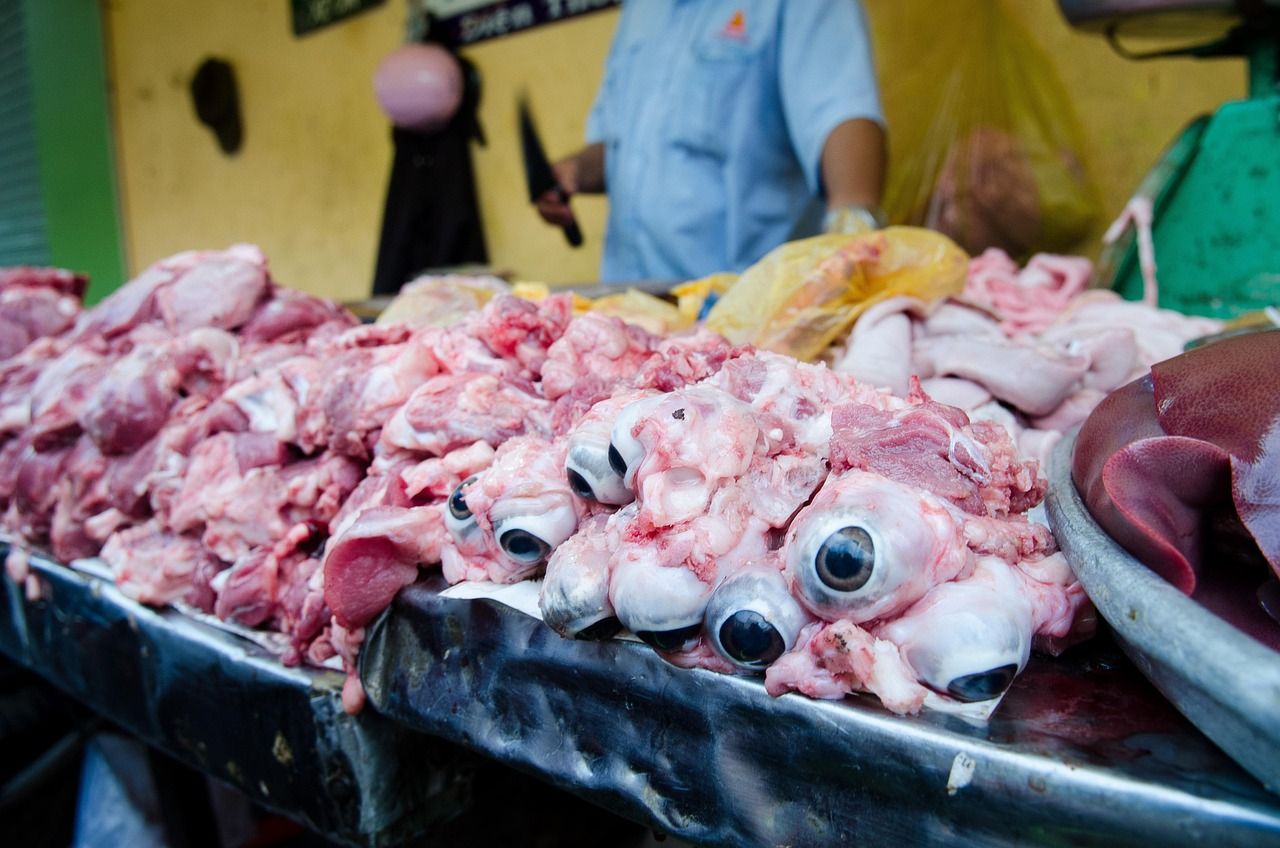
The Hormel and Seaboard 7.389M Settlement Over Alleged Pork Price Fixing settlement offers $7.39M in total, with individual payouts of $7.39M to eligible claimants who be a commercial or institutional indirect purchaser (not a direct purchaser) of qualifying pork products. The filing deadline has not yet been announced. Proof of purchase is required.
Deadline: No deadline specified
Total amount allocated for all claims
Estimated amount per eligible claim
Proof is required; claimants should be prepared to provide documentation showing qualifying purchases during June 28, 2014 to June 30, 2018 (e.g., invoices, receipts, purchase orders, supplier statements, or accounting records) that identify the pork products, purchase dates, and the business/institution making the purchases in a covered state/territory.
Settlement Summary
The lawsuit centers on allegations that major U.S. pork producers—including Hormel Foods and Seaboard Foods—coordinated to restrict pork supply and thereby push prices higher between June 28, 2014 and June 30, 2018. Instead of competing independently, the companies are accused of synchronizing production decisions and price increases across widely used products like bacon, loins, ribs, hams, and pork chops, affecting businesses that buy pork for food preparation. The proposed settlement totals $7.389 million ($2.429 million from Hormel and $4.96 million from Seaboard) and is aimed at “commercial or institutional indirect purchasers” in a long list of states and territories—buyers who typically pay higher input costs when upstream pricing is allegedly manipulated. The case was filed under federal antitrust law—most notably the Sherman Act—which prohibits agreements that restrain trade, as well as various state antitrust and consumer-protection statutes that can provide additional remedies depending on where purchases occurred. Its significance is less about any one company and more about whether the industry engaged in coordinated conduct in a market where a small number of large producers can influence supply; if proven, such conduct can inflate prices across the supply chain, from wholesalers and restaurant groups to schools and hospitals. While settlements do not necessarily mean the defendants admit wrongdoing, they can still reshape business practices, spur compliance reviews, and compensate affected purchasers after deductions for attorneys’ fees, costs, and court-approved awards. Broader implications extend beyond pork because the legal theory—supply coordination among concentrated producers—mirrors other high-profile food and commodity antitrust disputes, including cases involving poultry, dairy, and packaged foods where plaintiffs similarly alleged collusion or information-sharing to stabilize prices. Regulators like the U.S. Department of Justice Antitrust Division and the Federal Trade Commission oversee competition issues, and private class actions like this one often run in parallel to government scrutiny, relying on evidence such as production data, communications, and industry “signals” that might indicate coordinated behavior. For commercial buyers, the case also highlights how indirect purchaser claims vary by state—some jurisdictions allow them more readily than others—making multi-state settlements complex in who qualifies, what proof is required, and how any eventual payments are calculated.
Entities Involved
Related Topics
Eligibility Requirements
- Be a commercial or institutional indirect purchaser (not a direct purchaser) of qualifying pork products
- Purchased for commercial food preparation (e.g., foodservice/institutional use)
- Bought qualifying uncooked pork products: bacon, fresh or frozen loins, shoulder, ribs, hams, or pork chops
- Purchases were from the defendants and/or alleged co-conspirators
- Purchases occurred between June 28, 2014 and June 30, 2018
- Purchases occurred in one or more qualifying locations: Arkansas, Arizona, California, District of Columbia, Florida, Illinois, Iowa, Kansas, Maine, Massachusetts, Michigan, Minnesota, Mississippi, Nebraska, Nevada, New Hampshire, New Mexico, New York, North Carolina, North Dakota, Oregon, Rhode Island, South Carolina, South Dakota, Tennessee, Utah, Vermont, West Virginia, Wisconsin
Featured Investigations

Important Notice About Filing Claims
Submitting false information in a settlement claim is considered perjury and will result in your claim being rejected. Fraudulent claims harm legitimate class members and may result in legal consequences.
If you are unsure about your eligibility for this settlement, please visit the official settlement administrator’s website using the link provided above. Review the eligibility criteria carefully before submitting a claim.
Class Action Champion is an independent information resource and is not affiliated with any settlement administrator, law firm, or court. We provide settlement information as a service to help connect eligible class members with legitimate settlements.