
Hawaiian Electric $4.04B Settlement for Alleged August 2023 Maui Wildfire Damages
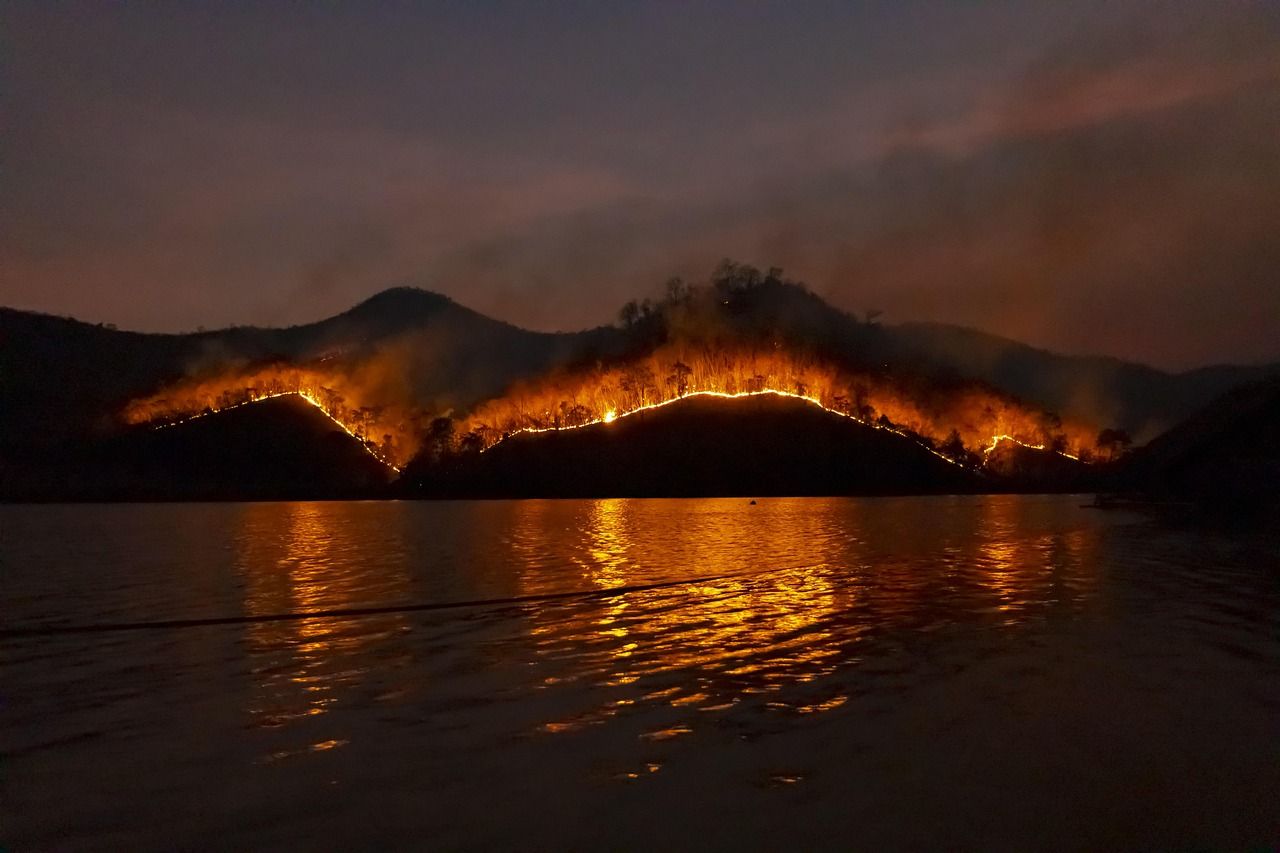
The Hawaiian Electric $4.04B Settlement for Alleged August 2023 Maui Wildfire Damages settlement offers $4.04B in total, with individual payouts of $135M to eligible claimants who owned, rented, or lived at real property (or owned personal property) within the fire perimeters or within 0.5 miles of the perimeters as of aug. 8, 2023. The deadline to file is December 22, 2025. Proof of purchase is required.
Deadline: December 22, 2025
Total amount allocated for all claims
Estimated amount per eligible claim
Claimants must provide a Social Security number or taxpayer ID number and details about damaged/destroyed real property (including address and stated value). Documentation is required to show eligibility and claimed losses, such as proof of residence/ownership/tenancy or business presence in the eligible zones, receipts and repair estimates, business and income records, medical records for injury claims, and travel tickets plus evidence of unreimbursed travel losses. Online filing also requires creating an account with a valid email, and the administrator may request additional verification.
Settlement Summary
The August 2023 Maui wildfires devastated Lahaina and surrounding areas, destroying homes and businesses, disrupting travel, and causing injuries and loss of life. In the aftermath, attention quickly focused on whether a mix of factors—such as utility equipment, vegetation management, communications infrastructure, land stewardship, and emergency response—may have contributed to the fires’ ignition and rapid spread. That backdrop set the stage for a sweeping class action settlement involving Hawaiian Electric and several public and private entities, creating a $4.04 billion pool intended to compensate a wide range of people affected in and near the burn areas, from property owners and renters to workers, visitors with canceled trips, and families of those killed or injured. The lawsuit was filed to consolidate many claims into a single process alleging these defendants bore responsibility for wildfire-related damages, even as they denied wrongdoing. Its significance lies not just in the headline number, but in how the settlement is structured: only $135 million is set aside for class members who did not hire their own attorney, while most of the money is reserved for an individual settlement track for represented claimants—highlighting the complex, individualized nature of wildfire losses and the legal strategy differences between class participation and separate representation. Like other major mass-disaster resolutions, the settlement also reflects practical realities of litigation risk and time: defendants often choose to pay to avoid years of trials and appeals, while victims gain a clearer path to compensation, albeit with documentation requirements, allocation formulas, and the possibility that payments are prorated after fees and administrative costs. More broadly, the Maui settlement fits into a growing pattern of wildfire litigation in the U.S., where utilities and land managers face claims that infrastructure hardening, line maintenance, vegetation clearance, and shutoff policies were insufficient for extreme fire weather. Industry context matters here: electric utilities operate under safety and reliability obligations overseen by state regulators, and wildfire risk has pushed new standards around inspection cycles, grid “hardening,” and emergency de-energization, alongside scrutiny of coordination with local government and telecom providers during evacuations. Similar cases on the mainland—particularly in the West—have shown how catastrophic fire events can reshape utility balance sheets, accelerate regulatory reforms, and influence how communities and insurers price and manage the escalating risk of climate-driven disasters.
Entities Involved
Related Topics
Eligibility Requirements
- Owned, rented, or lived at real property (or owned personal property) within the fire perimeters or within 0.5 miles of the perimeters as of Aug. 8, 2023
- Owned, operated, or worked for a business located within the fire perimeters or within 0.5 miles of the perimeters between Aug. 8, 2023 and Oct. 8, 2023
- Were physically present within the fire perimeters or within 5 miles of the perimeters between Aug. 8, 2023 and 9 a.m. on Aug. 9, 2023
- Suffered a physical injury from the fires (or are an eligible relative of an injured person)
- Are the personal representative or an eligible relative of someone who died due to the fires
- Are an immediate family member of a person who was present within the fire perimeters on Aug. 8, 2023
- Bought a plane or ship ticket before Aug. 8, 2023 for travel to Maui between Aug. 8, 2023 and Oct. 8, 2023 and experienced unreimbursed losses from a cancellation or delay
- Sustained property damage on Maui caused by the fires between Aug. 8, 2023 and Oct. 8, 2023
- Owned or ran a Maui business that lost money due to reduced tourism between Aug. 8, 2023 and Oct. 8, 2023
- Not an insurer/insurance syndicate asserting subrogation or reimbursement rights (except limited situations when submitting on behalf of a policyholder)
- Did not sign an individual settlement agreement and release before Oct. 7, 2025 to join the separate individual settlement fund
Featured Investigations

Important Notice About Filing Claims
Submitting false information in a settlement claim is considered perjury and will result in your claim being rejected. Fraudulent claims harm legitimate class members and may result in legal consequences.
If you are unsure about your eligibility for this settlement, please visit the official settlement administrator’s website using the link provided above. Review the eligibility criteria carefully before submitting a claim.
Class Action Champion is an independent information resource and is not affiliated with any settlement administrator, law firm, or court. We provide settlement information as a service to help connect eligible class members with legitimate settlements.