
Dollar General $3 to $10 Settlement Over Shelf Price vs Register Overcharges
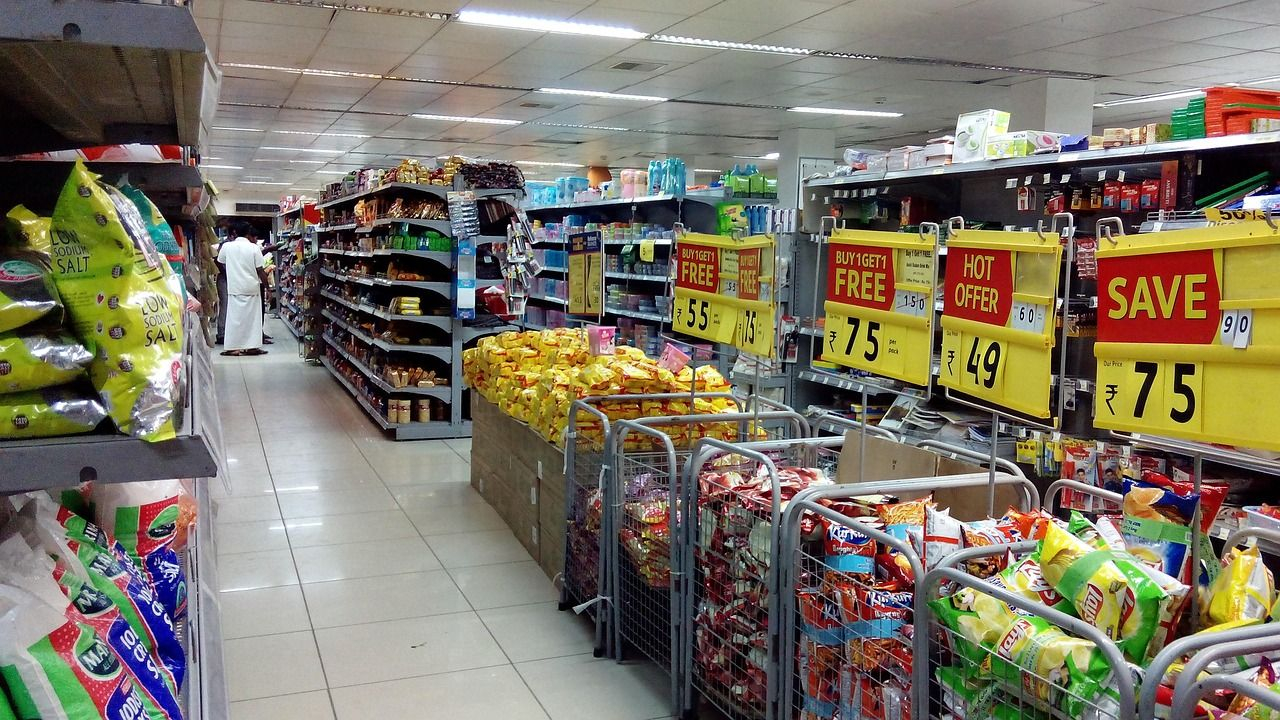
The Dollar General $3 to $10 Settlement Over Shelf Price vs Register Overcharges settlement, with individual payouts of TBD to TBD to eligible claimants who made a purchase at a dollar general store in the united states during october 10, 2016 through november 19, 2025. The deadline to file is April 13, 2026. Proof of purchase is required.
Deadline: April 13, 2026
Total amount allocated for all claims
Estimated amount per eligible claim
Cash-payment claims require documentation showing a specific price overcharge, such as (1) a complaint submitted at the time to a government office or to Dollar General that identified the product/overcharge and was not resolved, or (2) other objective, contemporaneous evidence (created around the time of purchase) demonstrating the shelf price and the higher register price. No proof is required to register for the $3 in-store discount benefit.
Settlement Summary
The Dollar General price class action centers on a common consumer frustration: a shelf tag advertises one price, but the register rings up another. The lawsuit alleges that, from October 10, 2016 through November 19, 2025, certain customers across the U.S. paid more (or sometimes less) than the posted shelf price due to pricing and store procedures that allegedly allowed mismatches to persist. Dollar General denies wrongdoing, and the court has not determined liability; instead, the parties reached a proposed settlement that must still be approved at a March 19, 2026 fairness hearing in New Jersey (Braun v. Dolgencorp LLC, Middlesex County). The case was filed to seek restitution and to pressure tighter pricing controls in high-volume, low-margin discount retail, where frequent promotions and rapid inventory turnover can increase the risk of labeling errors. Under the proposal, shoppers who can provide qualifying proof—such as a contemporaneous complaint to Dollar General or a government agency that wasn’t resolved, or objective contemporaneous evidence of a specific overcharge—may receive $10 or the overcharge amount (whichever is higher) per documented incident, up to two incidents per household (max $20 or actual overcharges). Even without proof, class members can register for a one-time in-store benefit: $3 off the first $10 of a qualifying $10+ pretax purchase during a limited two-day redemption window, with claims for cash due by April 13, 2026. Broader implications extend beyond one chain: “scanner accuracy” disputes have fueled similar consumer actions and regulatory attention because pricing accuracy is governed by state consumer-protection and deceptive-practices laws, and many jurisdictions also enforce weights-and-measures or retail pricing rules requiring the price displayed to consumers to match what’s charged at checkout. These cases tend to settle with modest per-person payments because individual overcharges are usually small but widespread, yet they can still push retailers toward stronger auditing, faster shelf-label updates, and clearer internal compliance programs to reduce the gap between advertised prices and what customers actually pay.
Entities Involved
Related Topics
Eligibility Requirements
- Made a purchase at a Dollar General store in the United States during October 10, 2016 through November 19, 2025
- Paid more or less at the register than the price displayed on the shelf for the merchandise
- For a cash payment: submit a claim by April 13, 2026 and include qualifying proof of a specific overcharge incident
- For a cash payment: the proof must show either (a) a contemporaneous complaint to a government office or to Dollar General about a specific price overcharge that was not previously resolved, or (b) objective, contemporaneous evidence documenting a specific overcharge
- Cash payment limit: no more than two separate documented overcharge incidents per household
- For the in-store benefit: register via a myDG account or the settlement website; no proof of an overcharge is required
- If you opt out by March 2, 2026, you are not eligible for settlement benefits
Featured Investigations

Stay Updated
Subscribe to our newsletter for the latest settlement updates and news.
Important Notice About Filing Claims
Submitting false information in a settlement claim is considered perjury and will result in your claim being rejected. Fraudulent claims harm legitimate class members and may result in legal consequences.
If you are unsure about your eligibility for this settlement, please visit the official settlement administrator’s website using the link provided above. Review the eligibility criteria carefully before submitting a claim.
Class Action Champion is an independent information resource and is not affiliated with any settlement administrator, law firm, or court. We provide settlement information as a service to help connect eligible class members with legitimate settlements.